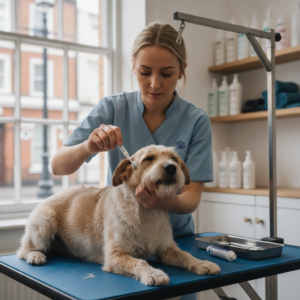
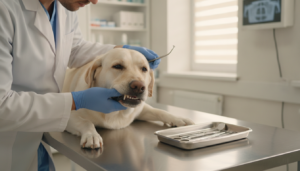
Let’s clear something up straight away. There’s no “one size fits all” when it comes to dog grooming frequency. If there was, life would be easy… and every dog would smell amazing all the time (they don’t).
At Day of the Dog, one of the most common questions we hear is: “How often should I be grooming my dog?” The answer depends on breed, coat type, lifestyle and, let’s be honest, how much chaos your dog gets into on a daily basis.
Why Dog Grooming Frequency Matters
Getting your dog grooming frequency right isn’t just about keeping your dog looking good. It’s about keeping them healthy.
- Prevents painful matting
- Reduces skin irritation and infections
- Keeps nails at a healthy length
- Improves coat condition
- Helps spot health issues early
If you’re new to grooming, it’s worth reading our full guide on dog grooming services London to understand what’s included.
Dog Grooming Frequency by Coat Type
The biggest factor in determining dog grooming frequency is coat type.
Short-Haired Dogs
Think Labradors, Beagles, Staffies.
- Professional grooming: Every 8–12 weeks
- Brushing at home: Weekly
Even short coats benefit from regular maintenance. Our dog groomer near me guide explains why local care matters.
Medium to Long-Haired Dogs
Think Spaniels, Golden Retrievers.
- Professional grooming: Every 6–8 weeks
- Brushing at home: 2–3 times per week
This dog grooming frequency prevents tangles from turning into full-blown mats.
Curly and Doodle Coats
Think Cockapoos, Labradoodles.
- Professional grooming: Every 4–6 weeks
- Brushing at home: Daily (yes, really)
These coats mat fast. Miss your dog grooming frequency window and you’re heading for a full shave.
Lifestyle Matters More Than You Think
Your dog’s daily routine plays a huge role in dog grooming frequency.
- Park-loving dogs = more mud, more washing
- City dogs = more pollution build-up
- Homebodies = less frequent grooming
If your dog treats every puddle like a personal challenge, you’ll want to check out our dog washing North London guide.
Don’t Forget the Small Stuff
Grooming isn’t just haircuts. A proper dog grooming frequency includes:
- Nail clipping (every 3–4 weeks)
- Ear cleaning
- Teeth cleaning
For example, regular dog nail clipping London prevents posture issues, while dog teeth cleaning London keeps bad breath (and bigger problems) under control.
What Happens If You Leave It Too Long?
Ignoring dog grooming frequency leads to problems quickly:
- Severe matting (painful and hard to remove)
- Skin infections
- Overgrown nails causing discomfort
- Increased shedding and odour
This is where regular appointments with Day of the Dog make all the difference.
Puppies vs Adult Dogs
Your dog grooming frequency should start early.
Puppies need gentle introductions, which we cover in our puppy grooming London guide.
Early grooming builds confidence and makes future visits stress-free.
How to Stay Consistent
The biggest mistake owners make? Inconsistency.
Set a schedule. Stick to it. Treat grooming like any other essential routine.
Regular dog grooming frequency means:
- Shorter appointments
- Less stress for your dog
- Better overall coat condition
Why Choose Day of the Dog?
At Day of the Dog, we don’t just groom dogs, we help owners build the right dog grooming frequency for long-term health.
Whether it’s a quick wash, full groom or maintenance visit, we tailor everything to your dog’s needs.
If you want a deeper look at how grooming is evolving, check out the future of dog grooming London.
Final Thoughts
There’s no magic number when it comes to dog grooming frequency. But there is a right routine for your dog.
Stick to it, stay consistent, and your dog will look better, feel better, and smell a whole lot better too.
Ready to get your schedule sorted? Visit dayofthedog.co.uk and book your next appointment with Day of the Dog.
Because a well-groomed dog is a happy dog.